One of the easiest things for a person with cancer to address is their diet. Research tells us that certain foods like oily fish, nuts, tomatoes, carrots, ginger, beetroot and pulses contain bioactive ingredients that may reduce inflammation, reduce oestrogen, strenthen the immune system, improve blood oxygenation and help fight all manner of chronic illness including cancer. Here is a list of 12 really important foods to include in your diet.
Good cancer nutrition can be vital in increasing your personal odds of survival. A 2012 report by the American Cancer Society, covered in Cancer Watch our research centre, stated that there was overwhelming evidence that diet and exercise could increase survival and even prevent a cancer returning.
A study from Harvard following women for 15 years showed that those who adhered most closely to the colourful Mediterranean Diet with is natural bioactive ingredients, were free of 11 chronic illnesses at the end of the study.
12 foods to fight cancer
1: Oily Fish
Fish oil will provide long chain omega-3, a powerful anti-inflammatory in the body that minimizes COX-2 and its abilities to drive localised negative hormones called eicosanoids which cause inflammation - driving cancer and metastases. Omega-3 has been shown to re-lengthen telomeres, which shorten when you have cancer putting the DNA structure at risk and reducing longevity.Fish oils also contain vitamin A,an important vitamin in the fight against cancer (herring, mackerel and salmon are top of the list).Fish oils have been linked to reduced levels of prostate, breast and colon cancer. Research shows they help prevent cachexia when having chemotherapy. Youll also get a little vitamin D from them, another proven cancer-fighter. Omega 3 from fish is an important ingredient in your cancer diet. Please note that the omega 3 from flaxseed is short-chain, equally important but has different benefits (for example, it helps oxygenate the tissues and provides essential fibre).
2: Carotenoids - Carrots, peppers and greens
Along with apricots, red and yellow peppers, greens like kale and spinach and sweet potatoes, carrots provide anti-cancer carotenoids likebeta-carotene, which converts to vitamin A, as and when required by the body. 1 cup of carrot juice, 2 sweet potatoes, 16 dried apricots and 4 cups of red cherries will each provide 25 mgs. Dont eat them all at once - people have been known to turn a little orange! A great juice to make yourself involves greens, sweetened by carrots and apples (for quercitin) and beetroot (for anthocyanins) with a helping of calming raw ginger. A real cancer fighting drink!Carotenoids are also found in natural food sources such as chlorella. Raw carrots are also high in pectins - your helpful gut bacteria will love you for eating pectins and give you more in return. Ared pepper is the topsource of vitamin C in the UK- even better than oranges.
3: Ginger
Fresh, raw ginger has a number of very important benefits in cancer. It is a terrific anti-inflammatory agent in the body and reduces the effects of COX-2. This produces benefits throughout the body and especially in the gut, reducing rates of cancer spread. It also lowers blood sugar levels, and gingerols have been shown to have effects against prostate, breast, leukaemia and other cancer cells. Grate 5 gms or more of ginger each day into your juices. It is also full of helpful vitamins and minerals and is anti-parasitic.
4: Seeds
Seeds are full of good oils, whole vitamins in a natural form (like vitamin E) and fibre tostrengthen your gut flora. People who consume the highest levels of natural fibre have higher immune systems. For example:
Sunflower Seeds
High in zinc and natural vitamin E. Zinc helps vitamin C do its work and accelerates healing time. It is important to a healthy prostate. You need 15 to 25 mgs per day. Five tablespoons of sunflower seeds give you 10 mgs. Sunflower seeds will also provide a little selenium.
Pumpkin Seeds
Can be mixed with the sunflower seeds in your morning muesli. 5 tablespoons will each provide 20 mgs of vitamin E, the ultimate cancer buster, which inhibits cancer cell growth and protects immune cells from free radicals. Vitamin E boosts your immune systems fighting abilities. The target is 300-600 mgs and is difficult to achieve without supplements.
Sesame Seeds
The unique lignans can reduce blood pressure and lipid levels. Research shows they can fight inflammation and also cancer! Gamma tocopherol vitamin E reduces inflammation around the body. Both sesame and flax lignans are converted to compounds that can arrest oestrogen cancers.
5: Nuts
Six cracked brazil nuts will give you your daily selenium; 100 to 200 mcgs is the goal. Selenium is a very potent anti-cancer agent. Eight slices of wholemeal bread, an organic egg, or a large chicken breast will also be enough.
(Tuna, onions, broccoli and tomatoes contain selenium too.)
Walnuts and almonds are a helpful additions to your diet because they contain good oils and high natural fibre. People who eat nuts every day live longer according to research in Cancer Watch.
"At last the definitive book on a diet to fight cancer". Mrs BS Devon.
Go to: The Rainbow Diet and how it can help you beat cancer
Remember too that bioactive natural compounds are likely to do you a lot more good than synthetic pills! Many such compounds have strong and proven epigenetic benefits.
6: Mushrooms
Theres an enormous body of research evidence now that shows how medicinal mushrooms (Shiitake, Maiitake, cordyceps etc)
boost the immune system and fight cancer. Even the button mushroom has cancer fighting ingredients. We have a great review on medicinal mushrooms (
Click Here)
7: Tomatoes
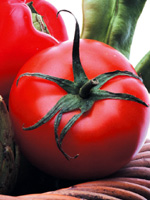
Seven to ten helpings per week, especially cooked. Lycopene is the prime active ingredient, and 25 - 60 mgs the desired daily dose.
According to Harvard research 7-10 helpings a week cuts prostate symptoms by 40% and lycopene reduces the risk of aggressive prostate cancer and fatal prostate cancer; Lycopene cuts blood cholesterol levels and thus has an influence on many cancers e.g.: lung; colon; cervix; breast. Research shows it can also outperform statins.
It is also found in strawberries, peppers, carrots and peaches, but one tin of tomato soup has 65 mgs alone. Lycopene is a strong antioxidant. Saturated fat is known to help cancer spread.
8: Green leafy vegetables
Along with avocado, beans, carrots, apricots, pumpkins, and egg yolk green vegetables will give you folic acid if your gut bacteria are strong.
This will help your DNA to replicate properly and protect it during radiotherapy.
400 micrograms is a recommendedamount. Folate, biotin, choline and inositol, niacin and vitamin B12 are all B vitamins that help in the cancer fight. Niacin has been shown to kill cancer cells. Egg yolk, greens and whole grains are the best sources.
It doesnt just stop there. Green vegetables and sprouting seeds are a source of sulforaphanes which have strong epigenetic (cancer correcting) benefits and have been shown to aid survival from colorectal cancer.
A diet rich in greens will help alkalyse your body. A slightly alkaline body is important as it improves the performance of your immune system and research shows it stops new metastases.
9: Broccoli
Like other green cruciferous vegetables (e.g. cabbage, kale, Brussels sprouts), broccoli contains fibre which helps eliminate toxins
Moreover, the fibre is rich in galactose, which binds to damaging agents in the intestine, and is one of the favourite foods of good, helpful gut bacteria (as are carrots, apples, chicory and onions).
Broccoli also contains indoles, and especially indole3carbinol which, along with its metabolite DIM, modifies and diminishes aggressive oestrogen action, can modify cellular oestrogen receptor sites,and aids in fighting oestrogen-driven cancers like some breast, prostate, brain and colorectal cancers.
I3C and DIM were also found to have action in non-oestrogen driven cancers as they can also affect the p27 cancer pathway.
10: Garlic
It is a truly wonderful food. Active ingredients like allicin seem to act to stop the spread of cancer in a number of ways, for example by stopping blood supply formation for tumours.
Garlic also kills microbes and yeasts - after taking drugs and antibiotics the body is often susceptible to these. Garlic is also anti-inflamatory in the body. It has a number of active ingredients. It contains selenium, tryptophan and sulphur-based active agents that attack cancer cells.
Two or three raw cloves of garlic raw per day will ward off more than vampires.
11:Beetroot
And cherries, aubergines, plums, red grapes - indeed any purple coloured fruits and vegeatables. They contain anthocyanins (and sometimes also resveratrol). Anthocyanins have been shown to kill cancer cells; Resveratrrol has research supporting its role in fighting certain cancers like blood and brain cancers too.
12: Pulses
Lentils, chickpeas, beans, peas, kidney beans and even soya beans are a great source of plant protein. Most importantly they release their carbohydrate slowly because of their high fibre content. They reduce blood glucose.
Pulses also contain isoflavones called phytoestrogens. People get confused about plant oestrogen. The cells of your body have oestrogen receptor sites. When one form of human oestrogen (oestradiol) binds to them, the result is havoc inside your cells. About 40 times less potent is human oestrogen oestrone and about 40 to 50 times less potent still are plant oestrogens. Now which would you rather have sitting on your receptors? Pulses also provide fibre like lignans that can help neutralise free-radicals in the gut andblood stream.
Phytoestrogens bind more weakly than human oestrogen and wash through the body - so you need to eat them daily.
Good oils on top?
Use good low-saturated fat oils like extra virgin olive oil, fish oils, flaxseed, nut and seed oils - so that their consumption greatly exceeds saturated fat intake. Black pepper on your food contains piperine which is very helpful to certain bioactive compounds.
Supplements?
The National Cancer Institute in America produced research in July/August 2012 (see Cancer Watch). Dr. Young S. Kim and her team of researchers concluded that a poor diet (too much glucose, bad fats, cows dairy, too much salt, too many refined and junk foods) could cause a cancer to regrow from the Cancer Stem Cells left behind after orthodox treatment. Dr. Kim also concluded that certain natural compounds in foods could stop this regrowth.Those compounds they said could be taken as supplements. This list included: Sulforapanes, resveratrol, curcumin, piperine (black pepper), vitamin E (naturally sourced and including all 8 tocopherols and tocotrienols)and vitamin A, theanine and choline, EGCG from green tea, and genistein (from pulses and the herb red clover).
Check out - 12 Supplements to fight cancer. Click Here.
Herbs that Fight Cancer?
Check out 20 herbs that fight cancer - Click Here.
A Drink that fights cancer?
Choose green tea. Three cups per day help to neutralise free radicals. The Mayo clinic even claims from research that 3-5 cups a day can stop the growth of certain cancers.
One last thing or two!
For 12 effective ways to boost your immune system - Click Here
For 25 Epigenetic natural compounds Click Here.
More on Foods and other diseases?
Pulses for diabetes prevention, sulphoraphanes for autism, high fibre, less mortality from any cause.
Go to: The research is all on Chris Woollams Health Watch
*************************
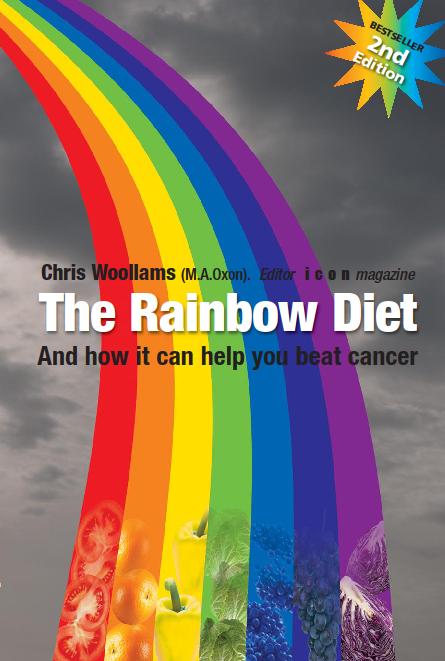 At last,the definitive, research-based book on how to build a diet to help beat cancer.Click hereto read about the brand new fourth edition - launchedFebruary2015.
Readers also found the following pages helpful:
A diet to beat cancer
A diet for Chemotherapy
The Active8 Programme
Building an Integrated Treatment Programme
Chris Woollams Health Watch