Vitamin B-12 - A Truly Crucial Vitamin
What is vitamin B-12?
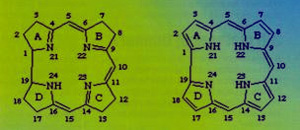
Vitamin B-12, or cobalamin, is a water soluble vitamin, extremely effective in very, very small doses. The good news is that the liver has a large store of B-12. However the bad news is that depletion and deficiency is very hard to spot and might take five years or more to appear.
A 2008 Oxford University study (journal: Neurology) showed that older people with lower B 12 levels were 6 times more likely to exhibit brain shrinkage, and even the group of people having B-12 levels above those designated too low, developed dementia and other age related problems during the 5 year study.
Typically, symptoms include: Shortness of breath, fatigue, anaemia, weakness, fainting, dizziness, sores in the mouth, memory loss, dementia, slow reflexes, coldness or numbness in feet and hands.
Heart attacks have also been linked to low levels of vitamin B-12. (American Journal of Epidemiology Vol 143).
Several research studies have indicated that 40 per cent of the population could be short of vitamin B-12.
Until recently the recommended adult intake was in the region of just 3-5 micrograms per day. However research with heart disease patients has shown levels of 100-400 micrograms are much more beneficial.
Why is it so important?
The vitamin is crucial to life and to general health, being involved in almost every cellular system in the body. Over 300 enzymatic reactions use this vitamin in some way. Apart from dementia, fatigue and heart problems, some cancers (for exampl, breast cancer) are known to be associated with lowered levels of this vitamin.
In recent years scientists have become more and more knowledgeable and concerned about Vitamin B-12, particularly for people over the age of 50 and/or those on strict vegetarian diets. Some 72 per cent of vegetarians are deficient in this vitamin, as it is most readily found in meat.
 The vitamin is known to help form and regenerate red blood cells
As you will read below, lowered B-12 levels are not so much about what we eat, but far more to do with our ability to RELEASE the vitamin from our food. Lowered levels of beneficial bacteria, coupled with increased levels of microbes and particularly Helicobacter pylori weaken our ability to release the vitamin from the food we consume, especially as we age. This is true of other essential B vitamins too.
A particular concern at CANCERactive is with those cancer patients who rush to change their diet as part of their personal cancer therapy programme, and become vegan or vegetarian. This can result in a further lowering of B-12 levels and it could be that their cancer was already associated with lowered levels of B-12. People who change their diet in this way may actually be compounding a problem. In these cases supplementation is almost certainly essential if only as insurance!.
Unfortunately, not all supplements were created equal. There is a considerable amount of dispute over the common (cheap and synthetic) supplement cyanocobalmin. Some nutritionists recommend the methylated version (the form that does occur naturally) methylcobalmin. The most natural form would be that available (and plentiful) in the food ’Chlorella’.
The vitamin is involved in all aspects of your good health. It is known to help form and regenerate red blood cells. It helps prevent cardiovascular disease by lowering blood levels of homocysteine; it promotes growth and appetite in children, improves brain power, concentration and memory, and is involved in a healthy nervous system. It helps maintain a fatty tissue known as the myelin sheath surrounding nerve cells. B-12 is also involved in the metabolism of carbohydrates and fats and the synthesis of protein, DNA and RNA.
Finally, it has a complex interconnection with folic acid, a B vitamin essential for your health, including accurate DNA replication - thus the concern about its role in cancer. The body simply cannot use folic acid without B-12.
A Little History
In the 1800’s pernicious anaemia was widespread in Europe. A sore tongue and diarrhoea followed by nerve damage, mental disorder then death in the severest cases.
By the 1930’s two Nobel Prize winners William Murphy and George Minot had clues to the disease noting that people who ate liver soon recovered. Vitamin B-12 was finally isolated after the war.
Sources
The best sources are all animal in origin, especially offal. Liver, kidneys, beef, poultry, milk, cheese, fish, egg yolks. Very little is lost in cooking. However microwaves have been shown to destroy 40 per cent.
Its enemies are acids and alkalis, oestrogen and alcohol. As it is water-soluble it can be flushed from the body. There have been no cases of toxicity from excess consumption.
So what’s the connection with cancer?
A number of research studies covering cancers such as colon, stomach or breast have linked the disease to lowered B-12 levels. (For example - Cho, Sang-Woon; Nutrition Review 57 - ’Women with breast cancer have lowered B-12 levels’).
But the issue is not only that B-12 directly, or through its stimulation of some third party like folic acid, might somehow cause cancer. A second issue is that orthodox and some complementary cancer treatments actually can make matters worse.
For example, it is now becoming clear that extracting the B-12 molecule from our foods is difficult without the help of certain Beneficial Bactteria in the intestine. Low levels of Beneficial Bacteria have been proven in Clinical Trials to reduce vitamin B-12 production and absorption. Unfortunately estimates suggest as many as 70 per cent of the adult UK population already have an imbalance of intestinal flora due to chlorinated water, antibiotics, lack of whole foods in the diet, too much salt and alcohol etc.
However chemotherapy, radiotherapy and surgery all employ drugs and antibiotics which can worsen the imbalance and further reduce the digestion and absorption of vitamin B-12. In this case the medical mantra of ’just eat 5 helpings of fruit and vegetables per day’, could be rubbish, if you cannot release the goodness. Supplementation in the short term with vitamin B-12 and other B vitamins like folic acid seems essential. To restore assimilation from your foods in the longer term, supplementation with multi-strain probiotics seems equally important. You can read more about Beneficial Bacteria by clicking here.
Sadly, the whole orthiodox treatment programme for cancer in the UK, ignores all the research and clinical trials in this area, resulting in a greatly worsened state of healthy gut bacteria, underproduction of essential vitamins, and increasing levels of toxins (like nitrosamines, heavy metals and oestrogenic products) the good bacteria help chelate and excrete these toxins too).
How Orthodox Medicine is making a mistake
The complexity of the B-12 production is illustrated in how it is absorbed:
B-12 is a very large molecule. To extract it from protein (and digest the protein) the stomach must secrete adequate amounts of acid plus the digestive enzyme pepsin. This may be a problem for older people; 20-30 per cent do not produce enough acid and may explain why 11 per cent of older people ’officially’ have B-12 deficiency (Journal of American Geriatric Society, Vol 44) and why estimates that the real figure may be as high as 40 per cent could be nearer the mark. As we said at the outset, early symptoms are fatigue, memory loss and mental confusion, but inevitably vitamin B-12 deficiency is linked to Alzheimer’s and dementia (Age and Ageing Vol 23 pg 334).
Our modern diets (where people mix carbohydrates and proteins in their mouths; and eat sugar-rich, salt-rich, refined rubbish) worsen the acidity issue. Carbohydrate arriving in the stomach, has already mixed with the enzyme Ptyalin, which demands a more alkaline environment. The stomach gets confused and produces a compromise mix of acid and alkali. Acid production in the body, anyway, declines as we age. Everybody should separate their carbohydrate and protein meals, especially as they age.
Next, this large molecule needs to combine with an "intrinsic factor" (a protein) in order to be absorbed across the gut wall. And here the Beneficial Bacteria in the gut play their part. Sometimes due to genetic defects, sometimes due to stomach injury, or problems with the intestinal lining, or inadequate friendly flora (the beneficial bacteria of the gut), the "intrinsic factor" absorption process is weak.
Next, orthodox treatments for specific microbes can reduce B-12 absorption. For example, researchers at the Turkish Military Academy identified that 77 per cent of people with vitamin B-12 deficiency had Helicobacter pylori. In 1994 the International Agency for Research on Cancer declared Helicobacter pylori a Grade 1 (definite) carcinogen. There is compelling evidence that Helicobacter pylori is linked to stomach and gastric cancers so it is important to treat the original infection.
 77 per cent of people with vitamin B-12 deficiency
had Helicobacter pylori 
Helicobacter pylori is a spiral shaped bacterium that lives in the stomach and duodenum. Half a gallon of gastric juice is produced every day, but Helicobacter pylori hides from the acid in the mucous membrane and surrounds itself with a neutralising fluid to prevent the gastric juice acid attack. This acid attack weakens with age and modern diet as explained above.
Then the immune system sends white cells to kick out the invader bacterium but they cannot get through the stomach lining. So they collect on the other side of the membrane and the immune response multiplies. Some bacterium die, Helicobacter feeds on the nutrients, more white cells are sent and the vicious circle results in a peptic ulcer.
Breath tests, endoscopy or Vega Testing can all establish its presence. Of course, orthodox medicine recommends a mixture of antibiotics to eradicate the bacterium. However,that will reduce the friendly flora in the gut. Another part of the orthodox cure seems to be acid lowering drugs or simple ant-acids. Neither seems particularly logical. The body is producing the acid to try to kill off the Helicobacter pylori!
Whilst the good news is that stomach acid attacks Helicobacter pylori, taking ant-acids prolongs its health! (Bismuth and goldenseal are known to kill the bacterium without affecting stomach acid).
Ant-acids will alter the chemical potency of the Beneficial bacteria further down in the gut and this will thus further reduce the B-12 release and ingestion. Clinical trials show that supplementing with Lactobacillus suppresses helicobacter, but does not eradicate it. Taking multi-strain probiotics could well help rebalance the friendly flora in the intestine.
Essential B-12. Make sure it’s all natural
As we said, 72 per cent of vegetarians are deficient in B-12. Older people need more of it. People with high risk of heart problems, dementia, Alzheimers, stomach ulcers, anaemia etc need more of it. Pregnant women need more of it, as it helps cell growth.
And if you dont want to eat meat you must supplement. especially if you have had cancer.
There are two simple ways: The best natural source of vitamin B-12 is most definitely Chlorella (you can read more by clicking here). Chlorella is a food, an algae, specifically grown as a protein source to feed the Japanese after the war. It contains high levels of vitamins such as beta-carotene and B-12, plus good levels of minerals and enzymes. It is green and has a high chlorophyll content.
You can obtain a three month supply from the Natural Selection Shop (Click here).
Secondly, if you are already thinking of buying an Advanced B Complex supplement CLICK HERE to see what the Natural Selection has in store.
The Natural Selection product is, as always, natural and whole. It contains methylcobalmine - the natural form of B-12.
If you feel you may be short of B-12, another thing to consider is taking multi-strained probiotics to restore your body’s ability to release the vitamin from your whole foods. Again you can purchase multi-strain probiotics from Natural Selection by Clicking here.
Post Script
No doctor in his right mind would try to persuade you not to consume or supplement vitamin B-12if there were signs of deficiency. Some Doctors prescribe vitamin B-12 injections, and these are invariably injections of the synthetic form: cyanocobalmin.
Interestingly, this standard EU-approved vitamin supplement (cyanocobalmin) has a formula barely different to that of ’rogue’ synthetic vitamin B-17, the controversial, and banned, vitamin that reacts with an enzyme called glucosidase, uniquely found in cancer cells, releasing its cyanide component. Both synthetic supplements have similar cyanide components. While doctors protest about B-17, they wouldn’t dare to criticise their own use of B-12.
You can avoid this nonsense by sticking to natural sources.
Hey ho.
 At last - the definitive, research-based book on how to build a diet to help beat cancer. Click here to read about it.
Please be clear: At CANCERactive we do not consider the above compound to be a cure for cancer, despite what the research says or experts doing the research may claim. The above, is an article on the compound from published research and expert opinion in the public domain. At CANCERactive we do not believe that any single compound (drug, vitamin, whatever) is a cure for cancer. We believe that people can significantly increase their personal odds of survival by building an Integrated Programme of treatments. Equally, cancer prevention is best practiced through a width of measures.