Colon cancer, colorectal cancer, bowel cancer; call it what you will. It is the fourth most common cancer. It has long been considered the preserve of old men who smoked, drank too much alcohol and had a poor diet. But all this may be changing. According to US reports, for example, there’s a growing population of pregnant young women being diagnosed. Having said that, over 85 per cent of cases are found in the over 50s age group but there is much you can do to prevent this cancer.
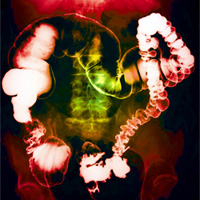
1: Colon cancer is a cancer of the large intestine, or colon; whilst rectal cancer is a cancer of the last few inches of the colon. Together they are called colorectal cancer or bowel cancer. Most cases start as small clumps of inflamed but non-cancerous cells called polyps, which can be detected before they become cancerous by screening methods such as colonoscopy.
In the UK, everyone over 50 may be screened using colonoscopy for free. Better to pick up emerging polyps than a full-blown cancer.However, there is US research suggesting areas in the right side of the colon may be missed; and the tube can perforate the gut in about 1 in 800 cases. This would require surgery. Other tests include proctoscopy for the rectum and sigmoidoscopy for the lower bowel. You can also have a virtual colonoscopy which uses a 3D CT scan.
2: Higher risk is found amongst black people, people with a family history of colorectal cancer or polyps, people who have already had polyps, people who have had gastro-intestinal infections, parasites, colitis, Crohn’s etc, and people with a poor lifestyle; for example, too sedentary, too much alcohol, smokers, too much salt, too little fibre, too much saturated fat in diet, or people that are over-weight or obese. Having type-2 diabetes or radiotherapy to the abdomen also increase risk.
3: Birmingham University showed localised oestrogen as a driver of some colorectal cancers. This may be made from your own body fat by aromatase enzymes, or it may be from ingested chemicals that mimic the action of oestrogen. These are termed xenoestrogens.
4: It is also known that secondary bile acids, made in the gut by bacterial modification of primary bile acids in response to intake of certain foods (especially LDL cholesterol, saturated animal fats, trans fats and alcohol), stimulate the Cox-2 pathway and increases localised inflammatory hormones and cancer risk.
5: Common sugar consumption also appears to be a significant driver. It may worsen inflammation directly via insulin levels, or indirectly via yeast infections or certain bacteria in the gut. Poor sugar control in Type-2 diabetes patients is linked to heightened risk.
6: The over-riding cause of colorectal cancer (CRC) is a disturbed microbiome (gut bacteria). There are now three important studies showing that people who spend longer than two weeks on antibiotics have considerably more CRC.
Go To: Antibiotics linked to colorectal cancer
7: What else apart from high prior use of antibiotics, Proton Pump Inhibitors and drugs can cause damage to the microbiome? Parasites, pathogens and food poisoning can play a role. The SYNCAN study has already revealed that the loss of commensal bacteria (the good guys) along with heightened pathogen activity (the bad guys) occurs in colorectal cancer. Stress, smoking, pickles, vinegar, and too much salt can also change the pH levels in the gut and damage the microbiome. Japanese research has indicated high salt intake more than doubles risk.
Go To: More information on gut bacteria and colorectal cancer
8: A small aspirin, aloe vera, fish oils, turmeric/curcumin, garlic and ginger have all been shown in research to reduce the Cox-2 inflammation process in the gut, as has calcium from green vegetables, and vitamin D. All these natural compounds have a strong protective influence. People with lowered plasma levels of vitamin D develop more colorectal cancers and it seems to play a part in regulating the formation of aggressive secondary bile acids. The Boston Nurses study showed that garlic was particularly beneficial.
9: The link with people who have had IBS, Crohn’s, colitis or a parasite infection seems strong. A weakening of the commensal bacteria seems to increase colorectal cancer risk in three ways:
* First, certain commensal bacteria produce short chain esters. These are known to be anti-inflammatory. One in particular, sodium butyrate, is known to kill colorectal cancer cells.
* Secondly, some commensal bacteria consume yeasts and microbes whilst you sleep at night. Without this dominance, excesses of yeasts and microbes occur. This is known to cause gut wall damage.
* Finally, without sufficient commensal bacteria to keep them in check, pathogens come to the fore. Maryland University Medical School have said this can occur decades after the original infection.
Not surprisingly then, natural compounds such as turmeric, ginger and curcumin can have positive effects and these are increasingly being used by some American hospitals as a part of the overall treatment plan. A daily probiotic is of benefit according to the SYNCAN study. Much interest is now being placed on the need to rebuild a healthy microbiome - ESSENTIAL READING IS ...
Go To: Heal Your Gut.
10: Colorectal cancer in research is associated with lowered levels of B vitamins such as niacin, B-12, folic acid and biotin. Again, beneficial bacteria have been shown in clinical trials to MAKE exactly these vitamins from fibrous foods. With people who fear a gut problem, taking a B complex containing those vitamins could be important.
11: A high sugar diet not only risks diabetes, it will prompt the growth of yeasts like Candida albicans in the gut, throwing out the balance between good bacteria and bad, and increasing colorectal risk. Johns Hopkins Medical School have shown the importance of maintaining a diet very low in common sugar in patients already with colorectal cancer. Metformin, a diabetes drug that lowers blood sugar is also known to help considerably.
12: Exercise is important. A sedentary lifestyle is definitely damaging. Over-weight and obese people tend to move less, and regular exercise (even doing the housework and making the beds) has been shown to reduce colorectal cancer risk. After only 15 minutes of light exercise Visceral fat starts to mobilise and reduce. This is the fat you cannot see. It is inside you, holding toxins against your internal organs - like your intestine, kidneys, liver, heart. Many of those toxic chemicals may be xenoestrogens, or oestrogen mimics.
13: Vitamin C can help break down carcinogenic nitrosamines formed from burning food on barbeques, or from nitrates and nitrites in water supplies or used in processed meats. All have been linked with increased colorectal cancer risk. Vitamin E (but, we suggest, only the complete all natural version, not the synthetic, alpha-tocopherol imposter common in UK high streets) has been shown to reduce the reoccurrence of problems after surgery by 20 per cent.
14: Leeds University Medical School showed the importance of fish oil omega-3 (not plant omega-3) in reducing inflammation. A triple strength omega-3 prevented the growth of polyps and even cancer recurrence.
15: A high fibre diet has now been shown to stimulate the commensal bacteria and increase their numbers. In turn this boosts the production line of anti-inflammatory short chain esters, and sodium butyrate and B vitamins. It means less influence from pathogens and yeasts. Of course, if you think you do have a parasite their are natural ways of dealing with it. Pau d’arco, artemesinin (sweet wormwood) and black walnut are a start. Extra virgin olive oil, which acts synergistically with fish oils, has also been shown to reduce CRC risk and inhibit certain pathogens in the gut.
So exercise a little every day, do not be overweight, think about screening especially if you are in an at risk group, and eat whole, fibrous foods (nuts, seeds, whole grain, green vegetables), with little alcohol, red meat and saturated fats. Take a daily fish oil, a multistrain probiotic, even a little aspirin (Mayo clinic suggests 81 mg) with food, and curcumin/turmeric, with garlic and cold pressed virgin olive oil. And don’t forget the sunshine or vitamin D supplement.
You are on your way to a Rainbow Diet!
A word on Integrative Oncology and CRC
There is now increasing evidence that taking Tagamet (cimetidine), an antihistamine, before, during and for up to two years after colorectal cancer surgery greatly reduces the risk of spread and is associated with increased survival times.
3-year survival was increased from 59% to 93%. Staggering!!! See here.
** *** ** *** ** *** ** *** ** ***
"If you are already thinking of buying any of these products perhaps you would like to look in the Natural Selection store to see what they have on offer".
Go To: Colorectal cancer overview
Go To: Gut Bacteria and colorectal cancer